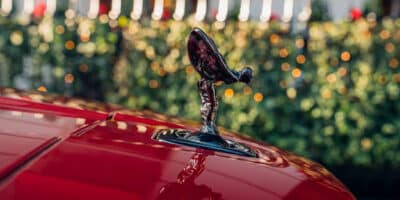
At the front of every Rolls-Royce motor car stands a small sculpture that carries more history than most people realize. Known as the spirit of ecstasy, this graceful figure leaning forward into the wind has watched over Rolls-Royce vehicles for more than a century. Though modest in size, it represents a long tradition of craftsmanship and thoughtful design.
Many luxury automobiles display emblems or badges, yet the spirit of ecstasy has a deeper story. It connects early twentieth century art, personal history, and the culture that surrounded the earliest Rolls-Royce motor cars. Over time, the sculpture became closely associated with the identity of the brand and came to be recognized as the Rolls Royce hood ornament.
Looking at this small figure is like opening a window into automotive history. Behind the sculpture lies a story of artists, engineers, and designers who believed every detail of a motor car should reflect care and intention. What began as a personal design eventually became one of the most recognized symbols in the automotive world.
The Birth of the Spirit of Ecstasy
The birth of the spirit of ecstasy is one of the most interesting stories in automotive history because it did not begin in a boardroom or a factory. It began with a personal commission, an artist with a careful eye, and a moment in time when the motor car was becoming more than transportation. It was becoming a statement of taste.
In the early 1900s, motoring still felt new and exciting. Cars were rare, and the people who owned them often wanted to set them apart. One of the ways they did that was by adding small decorative mascots to the front of the vehicle, usually on top of the radiator cap. These ornaments were not just accessories. They were personal expressions, much like choosing a fine watch, a monogram, or a piece of art for a private home.
This is the world in which the spirit of ecstasy first appeared. To understand why the figure matters, it helps to understand the people behind it and the atmosphere of the time.
A Personal Story That Led to a Famous Design
The story begins with John Scott Montagu, an early motoring enthusiast and an important supporter of Rolls-Royce. He later became Lord Montagu of Beaulieu, but even before that, he was deeply interested in automobiles and the future of motoring. He was not simply a car owner. He was part of a circle of people who saw the motor car as something refined, modern, and full of possibility.
Montagu wanted a mascot for his Rolls-Royce that felt distinctive and meaningful. Rather than choosing a common decorative figure, he turned to Charles Robinson Sykes, a British sculptor and illustrator known for elegant, thoughtful work.
Sykes created a figure inspired by Eleanor Thornton, Montagu’s secretary and close companion. She is widely believed to have served as the model for the sculpture. That detail gives the story a more personal dimension. The figure was not imagined in the abstract. It was shaped around a real person whose presence clearly left a strong impression.
The first version of the mascot was called The Whisper. It showed a woman leaning forward with her clothing flowing behind her, one finger resting against her lips. The pose suggested quietness, mystery, and grace. It had movement, but it did not feel loud or showy. That quality mattered.
At a time when many car mascots could be dramatic or ornate, The Whisper stood apart. It felt controlled, artistic, and deeply human. It was less about decoration and more about expression.
Several things made this early design memorable:
- It looked graceful without feeling fragile
- It suggested motion without appearing rushed
- It reflected personal meaning rather than empty display
- It matched the reserved character that would later define Rolls-Royce
As more people saw the sculpture, it became clear that Sykes had created something special. Rolls-Royce noticed that radiator mascots were growing in popularity, and the company also understood an important point: if owners were going to place ornaments on the front of their motor cars, Rolls-Royce should offer one that reflected the values of the marque.
That decision led to a new commission. Charles Sykes was asked to create an official mascot for Rolls-Royce motor cars. He returned to the idea behind The Whisper and refined it into something even more balanced and enduring. The result was the spirit of ecstasy, officially introduced in 1911.
Why the Early 1900s Were the Right Time for This Design
The spirit of ecstasy did not appear by accident. It arrived at a moment when car culture was still forming.
In the early days of motoring, the front of the car had a special visual importance. The radiator sat in a prominent position, and the cap on top offered a natural place for decoration. Owners wanted something that reflected their personality and taste, and manufacturers were beginning to see that these details helped define a brand.
This period also valued artistry in everyday objects. Furniture, jewelry, architecture, books, and personal accessories were often made with close attention to form. It made sense that automobiles, especially those owned by wealthy and style-conscious buyers, would follow the same path.
The spirit of ecstasy fit that moment perfectly because it combined several qualities people admired:
- Artistic beauty
- Personal meaning
- Fine craftsmanship
- A sense of modern movement
- Restraint rather than excess
That last point is especially important. Rolls-Royce never built its reputation on noise or visual drama. Even in its early years, the company was associated with precision, dignity, and careful workmanship. The spirit of ecstasy felt right because it expressed those ideas without needing explanation.
From The Whisper to the Spirit of Ecstasy
The move from The Whisper to the spirit of ecstasy is an important part of the story. The two figures are connected, but they are not exactly the same.
The Whisper was personal. It belonged to Montagu and reflected a private relationship and a specific commission. The spirit of ecstasy, by contrast, needed to represent something broader. It had to work as a symbol for Rolls-Royce itself.
Sykes adjusted the design with that purpose in mind. He removed the finger-to-lips gesture and created a more open, flowing composition. The new figure still leaned forward, but now the arms and drapery suggested wings. That shape gave the sculpture a feeling of movement and lift.
The result was powerful for several reasons:
- The figure felt elegant without being ornate
- The posture suggested progress and motion
- The flowing lines looked natural on the front of a motor car
- The sculpture had personality, but it still felt timeless
Even now, more than a century later, that design still looks relevant. It belongs to its era, yet it also seems to exist outside of trends. That is one reason the spirit of ecstasy has lasted.
What Does the Name “Spirit of Ecstasy” Mean?
The name itself has helped shape how people understand the ornament. “Spirit of ecstasy” sounds poetic, and that suits the figure. It suggests feeling, movement, and elevated experience. It does not sound mechanical, even though it belongs to a motor car. Instead, it hints that travel can be something more than getting from one place to another.
For Rolls-Royce, that meaning made sense. The company was not interested in presenting the motor car as a rough machine. It wanted the experience of travel to feel calm, composed, and deeply considered.
The name points to several ideas at once:
- Joy in motion
- Quiet confidence
- Grace under movement
- The emotional side of craftsmanship
- The pleasure of refined travel
Readers often wonder whether the name is too dramatic for such a restrained sculpture. In practice, it works because the figure itself remains composed. The name adds poetry, while the design adds balance.
Who Was Eleanor Thornton?
One of the questions many readers have is simple: who was the woman behind the figure?
Eleanor Thornton was the secretary of John Scott Montagu, and she is widely believed to have been the inspiration for both The Whisper and the spirit of ecstasy. She was intelligent, stylish, and clearly important in Montagu’s life. While parts of her story remain wrapped in privacy and interpretation, her connection to the sculpture has become one of the most discussed parts of its history.
Her role matters because it reminds us that the ornament did not begin as a corporate symbol. It began with human relationships and artistic observation.
This is part of what gives the spirit of ecstasy emotional depth. It may be made of metal, but it comes from a story that feels personal and real.
Why This Story Still Matters Today
Some people might wonder why the origin of a hood ornament matters at all. The answer is that the spirit of ecstasy is not just decoration. It tells you something about how Rolls-Royce sees design.
Many car emblems are logos first and symbols second. The spirit of ecstasy works the other way around. It begins as a sculpture, with shape, posture, and feeling. Only then does it function as a brand symbol.
That difference matters because it reflects the larger philosophy behind Rolls-Royce:
- Design should feel intentional
- Beauty should come from proportion and craftsmanship
- Details should have meaning
- Restraint often says more than spectacle
When you look at the spirit of ecstasy, you are seeing more than an ornament. You are seeing an early example of how Rolls-Royce turned engineering into something artistic.
The Sculptor Behind the Figure
Charles Robinson Sykes deserves close attention because the spirit of ecstasy would not have become what it is without his eye for detail and movement. He was not just someone hired to make a decorative object. He was an artist who understood how form can communicate feeling.
Sykes worked as a sculptor and illustrator, and his style reflected careful observation. He understood how to give a figure motion without making it look exaggerated. That balance is one of the hardest things to achieve in sculpture.
When he created the spirit of ecstasy, he made choices that still define the piece today:
- The figure leans forward, which suggests motion
- The robes stream behind her, which adds flow and rhythm
- The posture remains calm, which keeps the design dignified
- The overall silhouette is clear and recognizable, even from a distance
This combination is harder than it looks. A different artist might have made the figure too dramatic, too literal, or too delicate for the front of a motor car. Sykes found a middle ground that gave the sculpture both strength and grace.
What Sykes Wanted the Sculpture to Express
Sykes did not want the figure to feel aggressive or theatrical. He wanted it to reflect the calm pleasure of motoring in a Rolls-Royce.
That phrase matters because it helps explain why the spirit of ecstasy looks the way it does. The figure is not racing forward. She is not posed like a warrior or a mythological conqueror. Instead, she appears to move with ease.
That choice aligned beautifully with the character of a Rolls-Royce. The cars were admired for smoothness, quiet operation, and a sense of ease. Sykes translated those qualities into sculpture.
His design expresses:
- Ease rather than strain
- Flow rather than force
- Composure rather than display
- Confidence rather than attention-seeking
These ideas remain central to how people understand Rolls-Royce today.
Why the Design Feels So Natural
One reason the spirit of ecstasy continues to appeal to people is that it does not feel stiff. The movement in the sculpture seems believable. The figure leans into the air, and the robes follow in a way that feels light and fluid.
That natural quality comes from Sykes’s skill. He knew how to suggest motion with line and posture. The ornament feels alive without becoming dramatic.
This is one of the reasons it has stayed in place for so long. Trends in design come and go, but a well-balanced figure with clear form tends to endure.
Questions Readers May Have About the Birth of the Spirit of Ecstasy
Was the spirit of ecstasy the first Rolls-Royce mascot?
No. Before the spirit of ecstasy became the official mascot, some owners placed their own custom ornaments on the front of their cars. The earlier sculpture called The Whisper came first and helped inspire the official design. The spirit of ecstasy became the recognized Rolls-Royce mascot in 1911.
Was Eleanor Thornton really the model?
She is widely believed to have been the inspiration for the figure, and many historians accept that connection. While some parts of the story are still discussed with care, Eleanor Thornton is closely tied to the sculpture’s origin.
Why did Rolls-Royce want an official ornament?
As radiator mascots became more popular, Rolls-Royce wanted a design that reflected the company’s values. An official ornament gave owners something tasteful and consistent, and it helped the brand present a clear identity.
What made the design different from other mascots of the time?
Many early mascots were decorative in a louder, more dramatic way. The spirit of ecstasy stood out because it felt graceful, balanced, and restrained. It had movement, but it also had calm.
Why has this story lasted so long?
It has lasted because it combines art, personal history, and design in a memorable way. The spirit of ecstasy is not just a logo. It is a sculpture with a real backstory, and that makes it easier for people to connect with it.
Key Takeaways About the Birth of the Spirit of Ecstasy
If you want the short version of why this story matters, here are the main points:
- The spirit of ecstasy began as part of a personal commission, not as a mass-produced brand symbol
- John Scott Montagu played a key role in the ornament’s early history
- Charles Robinson Sykes created both The Whisper and the later official figure
- Eleanor Thornton is widely believed to have inspired the design
- Rolls-Royce introduced the spirit of ecstasy in 1911
- The sculpture matched the marque’s values of craftsmanship, restraint, and thoughtful design
- Its artistic quality helped it become one of the most recognized symbols in the automotive world
Final Thoughts on Its Origin
The birth of the spirit of ecstasy is a story about more than an ornament. It is a story about how personal meaning, artistic skill, and brand identity can come together in one small object.
What started as a private commission became a lasting symbol because it captured something true about Rolls-Royce. The figure did not need to shout. Its grace, movement, and composure said enough.
That is still what makes it memorable today. The spirit of ecstasy feels human, artistic, and carefully considered, which is exactly why it continues to matter.
How the Rolls Royce Hood Ornament Became a Signature Feature
Early Motor Cars and Radiator Mascots
In the early days of motoring, radiator caps were clearly visible at the front of the car. Many owners placed decorative mascots on top of them.
Rolls-Royce wanted to offer an official design that reflected the character of their vehicles. The spirit of ecstasy became the standard Rolls Royce hood ornament.
Unlike many mascots from that era, the sculpture was not flashy or overly detailed. Its flowing lines and calm posture suited the refined design of the motor cars.
Soon the sculpture became more than decoration. It became a symbol that drivers and admirers recognized around the world.
Changes to the Rolls Royce Hood Ornament Over Time
Although the spirit of ecstasy has stayed mostly the same, small changes have been made over the years. These adjustments helped the sculpture fit modern vehicles and safety standards.
Several updates include:
- Early versions were larger, but later models were made slightly smaller to match modern bonnet designs
- Materials changed from silver plated metal to stainless steel and other durable alloys
- Spring mounted bases were introduced so the ornament could move if touched
- Modern Rolls-Royce models allow the sculpture to retract into the grille when the car is locked
These updates allow the Rolls Royce hood ornament to remain part of the motor car while adapting to new engineering requirements.
Craftsmanship Behind the Spirit of Ecstasy
Careful Casting and Finishing
Even today, the spirit of ecstasy is crafted with great care. The sculpture begins as a metal casting. After that, skilled artisans inspect and finish each piece by hand.
Small details matter. The folds of the robes, the tilt of the head, and the curve of the arms must all look balanced. The goal is to create a sense of gentle motion.
Different finishes are available depending on the motor car and the owner’s preference. These may include:
- Polished stainless steel
- Silver plated finishes
- Gold or gold plated versions
- Illuminated crystal designs on selected modern models
Each version still follows the original form created by Charles Sykes more than a century ago.
Engineering That Protects the Sculpture
Modern Rolls-Royce vehicles include a clever system that protects the spirit of ecstasy.
When the vehicle locks, the sculpture quietly lowers into the grille housing. This keeps it safe while the car is parked.
When the car unlocks, the sculpture rises smoothly back into place. Owners often describe this moment as a small ceremony that begins the experience of driving the motor car.
The Spirit of Ecstasy and the Philosophy of Rolls-Royce
A Symbol of Craftsmanship
The spirit of ecstasy represents more than decoration. It reflects the philosophy behind every Rolls-Royce motor car.
Rolls-Royce vehicles are built with careful attention to detail. Wood veneers are chosen for their grain patterns. Leather is inspected for natural markings before being shaped into seats. A hand painted coachline can take hours to complete.
Placed at the front of the car, the sculpture serves as a quiet introduction to this world of craftsmanship.
Models That Carry the Spirit of Ecstasy
Over the years, the spirit of ecstasy has appeared on many Rolls-Royce motor cars. Some of the most recognized models include:
- Phantom
- Ghost
- Wraith
- Dawn
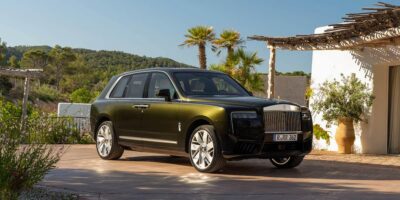
- Cullinan
Each vehicle presents the sculpture in a slightly different setting, depending on the shape of the bonnet and grille. Even so, the figure remains instantly recognizable.
Cultural Meaning of the Spirit of Ecstasy
A Recognized Symbol Around the World
Few automotive symbols are as widely recognized as the spirit of ecstasy. The sculpture has appeared in films, photography, and art for decades.
Collectors often display early versions of the mascot as works of art. Some examples from the early twentieth century are now found in museums and private collections.
Part of the appeal comes from the sculpture’s simplicity. It does not demand attention. Instead, it invites quiet appreciation.
Inspiration for Owners and Designers
Many Rolls-Royce owners see the spirit of ecstasy as a reminder of the craftsmanship behind their motor car. The sculpture represents the careful work that goes into every detail.
Design teams also view the figure as a guiding symbol. Its forward movement suggests progress without urgency, which mirrors the calm driving experience associated with a Rolls-Royce.
Because of this meaning, the sculpture continues to influence the design language of the brand.
The Rolls Royce Hood Ornament in the Modern Era
Modern Technology Meets Tradition
Although the Rolls Royce hood ornament began more than a century ago, modern engineering has refined how it works.
The sculpture now rises from within the grille when the vehicle unlocks. Sensors allow it to retract if touched.
This system protects the ornament while maintaining the sense of ceremony associated with the spirit of ecstasy.
Bespoke Interpretations
Rolls-Royce offers a Bespoke program that allows owners to personalize many aspects of their motor car. The Rolls Royce hood ornament can be part of that process.
Some owners request special finishes or materials that match other elements of the vehicle. Others choose illuminated versions that create a gentle glow at night.
These personalized details allow the spirit of ecstasy to remain true to its original design while reflecting the owner’s taste.
Why the Spirit of Ecstasy Still Matters
A Small Sculpture With a Long History
More than one hundred years after it first appeared, the spirit of ecstasy remains one of the most recognized symbols in the automotive world.
Several reasons explain its lasting importance:
- The sculpture carries artistic value on its own
- Its story connects art, history, and automotive design
- The figure represents craftsmanship and thoughtful design
- Its presence signals the heritage of Rolls-Royce
Because of these qualities, the sculpture continues to appear on modern motor cars.
A Quiet Welcome at the Front of the Car
When a Rolls-Royce approaches, the spirit of ecstasy often catches the eye first. The sculpture stands at the front of the bonnet, guiding attention toward the polished grille and long lines of the motor car.
The placement feels intentional. The figure offers a moment of reflection before the rest of the vehicle comes into view.
In that sense, the Rolls Royce hood ornament works as both sculpture and greeting.
Frequently Asked Questions About Spirit of Ecstasy
What is the spirit of ecstasy on a Rolls-Royce?
The spirit of ecstasy is the small sculpture located at the front of every modern Rolls-Royce motor car. Created by sculptor Charles Sykes in 1911, the figure shows a woman leaning forward with robes flowing behind her. Over time, it became known as the official Rolls Royce hood ornament.
Who designed the spirit of ecstasy?
Charles Robinson Sykes designed the spirit of ecstasy. The sculpture was inspired by Eleanor Thornton, who served as the model for the figure. Sykes wanted the design to reflect the quiet pleasure of traveling in a Rolls-Royce motor car.
Why is the Rolls Royce hood ornament called the spirit of ecstasy?
The name reflects the feeling of calm enjoyment associated with refined motoring. Rolls-Royce chose the name spirit of ecstasy to represent the sense of satisfaction drivers experience when traveling in one of their vehicles.
Does the spirit of ecstasy retract into the car?
Yes. Modern Rolls-Royce vehicles include a system that allows the spirit of ecstasy to retract into the grille when the vehicle locks or if pressure is applied. This helps protect the sculpture while keeping its traditional appearance.
Are all spirit of ecstasy ornaments the same?
The basic design remains the same, but the spirit of ecstasy can appear in different finishes. Some vehicles feature polished metal versions, while others may include gold plating or illuminated crystal designs.
Why has the spirit of ecstasy remained unchanged for so long?
The sculpture continues to appear much as it did in 1911 because it reflects the values associated with Rolls-Royce. The spirit of ecstasy represents craftsmanship, tradition, and thoughtful design.
Discover the Spirit of Ecstasy Up Close
The spirit of ecstasy has guided Rolls-Royce motor cars for more than a century. From its beginnings in the studio of Charles Sykes to its presence on modern vehicles like the Phantom and Cullinan, the sculpture continues to represent the thoughtful craftsmanship associated with the brand.
For those interested in the story behind the Rolls Royce hood ornament, seeing the spirit of ecstasy in person offers a deeper appreciation for the artistry that shapes every Rolls-Royce motor car.
If you would like to explore Rolls-Royce vehicles and their craftsmanship more closely, contact us or visit our showroom to learn more about the motor cars that continue this tradition.
Recent Posts
-
-
-
The 2026 Rolls Royce Phantom: What to Expect From the New Flagship
February 02, 2026 -
-